
Pakistan Plans Digital Fuel Rationing
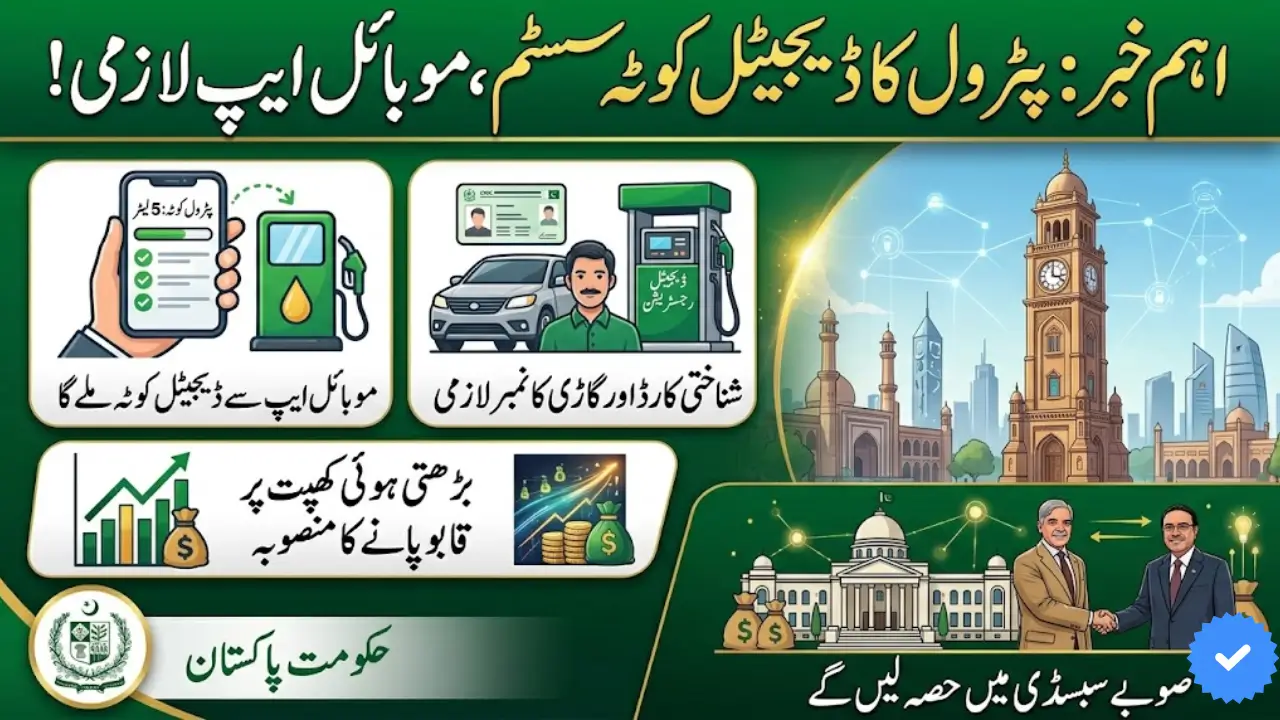
The Government of Pakistan is preparing to introduce a digital system to control petroleum consumption through a dedicated mobile application. This new approach aims to assign fuel quotas to registered users, ensuring fair distribution of petrol and diesel across the country. The initiative comes as fuel consumption continues to rise despite increasing prices.
Pakistan Moves Toward Competitive Power Market
Prime Minister Shehbaz Sharif is expected to discuss the proposal with Asif Ali Zardari to gain support and explore ways to involve provincial governments. The plan reflects a broader effort to manage fuel demand while reducing financial pressure on the federal budget.
BISP 8171 Survey 2026 Complete Eligibility Verification Guide for Beneficiaries in Pakistan
- Introduction of a mobile app for fuel rationing
- Daily fuel quotas for registered users
- هدف is to control rising fuel consumption
How the Fuel Quota App Will Work
The proposed mobile application will require users to register by entering their vehicle registration number and CNIC details. This data will allow authorities to track usage patterns and allocate fuel quotas accordingly. Each user will receive a daily limit for purchasing petrol or diesel based on availability and consumption trends.
This system is designed to ensure that fuel distribution remains balanced and transparent. By using digital tracking, the government can monitor demand in real time and adjust quotas when necessary to avoid shortages or misuse.
- Registration through CNIC and vehicle number
- Daily fuel quota assigned to each user
- Real-time monitoring of fuel usage
| Feature | Description |
|---|---|
| Registration | CNIC and vehicle details required |
| Allocation | Daily fuel quota per user |
| Monitoring | Digital tracking of consumption |
Rising Fuel Consumption Behind the Decision
The decision to introduce a rationing system comes after a detailed assessment of fuel usage over the past year. Officials found that petroleum consumption has continued to increase, even as prices have risen significantly. This trend has raised concerns about sustainability and supply management.
By introducing controlled distribution, the government aims to reduce unnecessary consumption and encourage responsible fuel use. The digital system will help align supply with demand while preventing excessive usage by individual consumers.
- Continuous increase in fuel consumption
- Price hikes failed to reduce demand
- Need for controlled and efficient usage
Government Plans to Share Subsidy Burden with Provinces
Alongside the fuel quota system, the government is also working on a plan to involve provincial administrations in sharing the cost of fuel subsidies. Currently, the federal government bears the majority of the financial burden, which has increased significantly in recent months.
Discussions are underway to create a shared subsidy framework where provinces contribute to the overall cost. This approach aims to reduce pressure on federal finances while ensuring that subsidies continue to benefit consumers nationwide.
- Proposal to include provinces in subsidy funding
- Shared financial responsibility model
- Continued support for fuel consumers
| عنصر | موجودہ نظام | مجوزہ نظام |
|---|---|---|
| سبسڈی فنڈنگ | وفاقی حکومت | وفاق + صوبے |
| مالی دباؤ | زیادہ | تقسیم شدہ |
| فائدہ | عوام کو ریلیف | پائیدار نظام |
Meeting at Aiwan-i-Sadr and Policy Coordination
The proposed plan is expected to be discussed in detail during a meeting at Aiwan-i-Sadr. This meeting will play a key role in aligning federal and provincial strategies for both fuel rationing and subsidy distribution.
During the discussion, the prime minister will brief the president on the technical and financial aspects of the plan. The goal is to ensure that all stakeholders are on the same page before the policy is formally implemented.
- High-level meeting for policy approval
- Coordination between federal and provincial governments
- Focus on practical implementation
Punjab Ends Free Commercial Rights Policy Major
Financial Impact of Fuel Subsidies
The government has already spent around Rs100 billion on fuel subsidies to support consumers. While this has provided relief, it has also increased fiscal pressure, making it necessary to find sustainable solutions for the future.
By introducing a digital rationing system and sharing subsidy costs, the government hopes to maintain public relief without overburdening national finances. This balanced approach is essential for long-term economic stability.
- Rs100 billion already spent on subsidies
- Increasing burden on federal budget
- Need for sustainable financial planning
Future Outlook for Fuel Management in Pakistan
The introduction of a digital fuel quota system represents a major shift in how petroleum products are managed in Pakistan. If implemented effectively, it could improve transparency, reduce wastage, and ensure fair access for all consumers.
Looking ahead, the success of this initiative will depend on public cooperation and efficient execution. The integration of technology with policy reforms could set a new standard for resource management in the country.
- Improved transparency in fuel distribution
- Reduced wastage and misuse
- Technology-driven resource management
Punjab Government Plans Fuel Rationing and
FAQs
What is the purpose of the fuel quota app?
It is designed to control fuel consumption by assigning daily quotas to users.
How can users register for the system?
Users will register using their CNIC and vehicle registration number.
Why is the government introducing fuel rationing?
Due to rising fuel consumption despite higher prices.
Will provinces share subsidy costs?
Yes, the government plans to involve provinces in subsidy funding.
How much has the government spent on fuel subsidies?
Around Rs100 billion has already been spent to support consumers.