
IMF Rejects Pakistan’s Plan
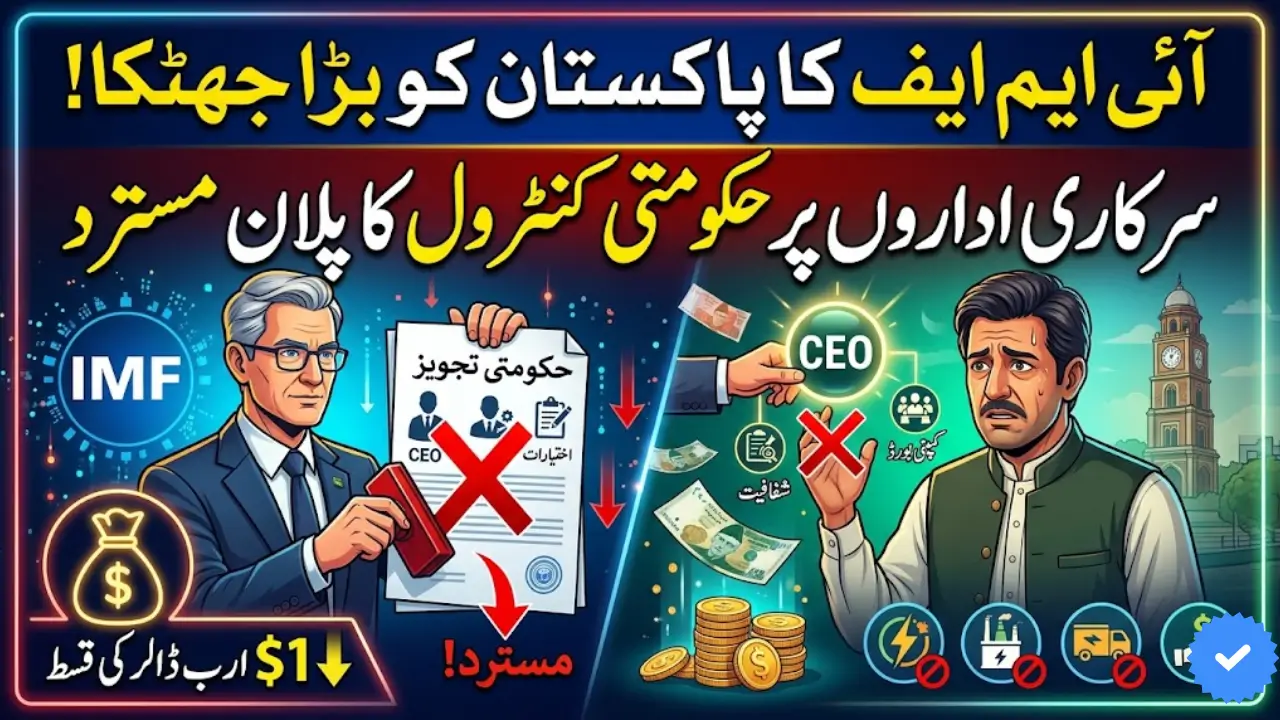
Pakistan’s effort to increase government control over state-owned enterprises has faced a setback after the International Monetary Fund rejected a proposal to shift appointment authority from company boards to the federal government. The move was part of ongoing discussions linked to the release of a $1 billion tranche under the Extended Fund Facility (EFF), making the decision highly significant for economic negotiations.
Pakistan Moves Toward Competitive Power Market
The proposal aimed to amend the State-Owned Enterprises Act, allowing the government to directly appoint chief executive officers. However, the IMF opposed the change, emphasizing the importance of independent governance and merit-based hiring. This rejection highlights ongoing tensions between reform goals and administrative control in Pakistan’s public sector.
- IMF rejected government control over CEO appointments
- Linked to $1 billion EFF loan tranche discussions
- Focus on maintaining independent governance
BISP 8171 Survey 2026 Complete Eligibility
Proposed Changes to SOE Law and IMF Concerns
The government suggested amendments to Section 18 of the SOE Act to transfer appointment powers from boards to the executive. Officials argued that such changes would streamline decision-making and address delays caused by boards rejecting preferred candidates.
However, the IMF maintained that existing laws already provide a structured and transparent mechanism for hiring. Under current rules, boards are responsible for appointing CEOs based on performance contracts and accountability standards. The lender views this system as essential for reducing political interference and improving efficiency.
- Amendment aimed at centralizing appointment authority
- IMF emphasized performance-based hiring system
- Concern over increased political influence
| Aspect | Current System | Proposed Change |
|---|---|---|
| Appointment Authority | SOE Boards | Federal Government |
| Hiring Criteria | Performance-based | Executive preference |
| Governance | Independent | Centralized |
Rejection of Additional Governance Proposals
In addition to the CEO appointment proposal, the IMF also rejected another suggestion to include ex-officio board members from outside relevant ministries. This step was intended to reshape governance structures and expand oversight within state-owned companies.
Despite the government’s reasoning, the IMF remained firm on maintaining clear governance frameworks. The lender believes that introducing such changes could weaken accountability and blur institutional roles, which are critical for reform success.
- Proposal for ex-officio board members rejected
- IMF stressed clarity in governance roles
- Focus on maintaining accountability standards
Previous Attempts to Expand Government Oversight
This is not the first time the government has attempted to increase control over public-sector institutions. A similar proposal related to the Export-Import Bank of Pakistan was also blocked by lawmakers, reflecting concerns about excessive administrative authority.
Members of the National Assembly’s standing committee opposed granting the finance division veto power over leadership appointments. These repeated rejections indicate strong resistance to centralizing power in the hands of the executive branch.
- Earlier proposal for Exim Bank was rejected
- Lawmakers raised concerns about overreach
- Ongoing debate over governance balance
Governance Challenges in State-Owned Enterprises
A recent performance report from the finance ministry highlighted serious governance issues across multiple state-owned enterprises. Problems such as delayed appointments, reliance on interim leadership, and lack of board expertise have weakened operational performance.
Key organizations like Sui Southern Gas Company Limited and various power generation companies have faced prolonged leadership gaps. In some cases, individuals are holding multiple roles, further complicating management and decision-making processes.
- Delays in permanent CEO appointments
- Overlapping leadership roles in key entities
- Lack of technical expertise in boards
Umrah Visa Deadline 2026 Announced Complete
| Issue | Impact |
|---|---|
| Interim Appointments | Operational instability |
| Weak Governance | Reduced efficiency |
| Leadership Overlap | Poor decision-making |
Financial Losses and Sector Performance Decline
The financial condition of state-owned enterprises has worsened significantly. Reports indicate that net losses have increased sharply, raising concerns about the sustainability of these organizations and their burden on the national economy.
These losses are partly attributed to governance inefficiencies and delayed reforms. Without strong leadership and clear accountability, restructuring efforts remain slow, affecting sectors such as energy, transport, and infrastructure.
- Significant rise in SOE losses
- Weak governance affecting financial health
- Slow progress in restructuring initiatives
IMF Reform Conditions and Future Deadlines
The IMF has required Pakistan to align laws governing at least ten state-owned enterprises with the SOE Act. These reforms must be completed in consultation with the lender to ensure compliance with international standards.
The deadline for these changes has been extended to August 2026, giving the government more time to implement necessary reforms. Moving forward, Pakistan will need to balance governance improvements with IMF conditions to secure continued financial support.
- Reforms required for at least 10 SOEs
- Deadline extended to August 2026
- Continued coordination with IMF
Future Outlook for Pakistan’s Public Sector Reforms
The rejection of these proposals highlights the challenges Pakistan faces in reforming its public-sector enterprises. While the government seeks greater control, international partners stress the importance of transparency and independence.
Going forward, success will depend on adopting balanced reforms that improve efficiency without compromising governance standards. Strengthening institutions and ensuring merit-based leadership will be key to achieving long-term stability.
- Need for balanced reform approach
- Focus on transparency and independence
- Long-term stability depends on governance improvements
Latest News Bisp Web Portal Launch To Check
FAQs
Why did the IMF reject Pakistan’s proposal?
The IMF opposed it to maintain independent governance and prevent political interference in SOEs.
What change did the government propose?
It wanted to transfer CEO appointment authority from boards to the federal government.
Are there governance issues in SOEs?
Yes, delays in appointments and weak board structures have affected performance.
What is the deadline for SOE reforms?
Pakistan must complete key reforms by August 2026.
How does this affect IMF loan negotiations?
It may complicate discussions and delay the release of financial support.